Herpetology journal article
Physiology of Original and Regenerated Lizard Tails
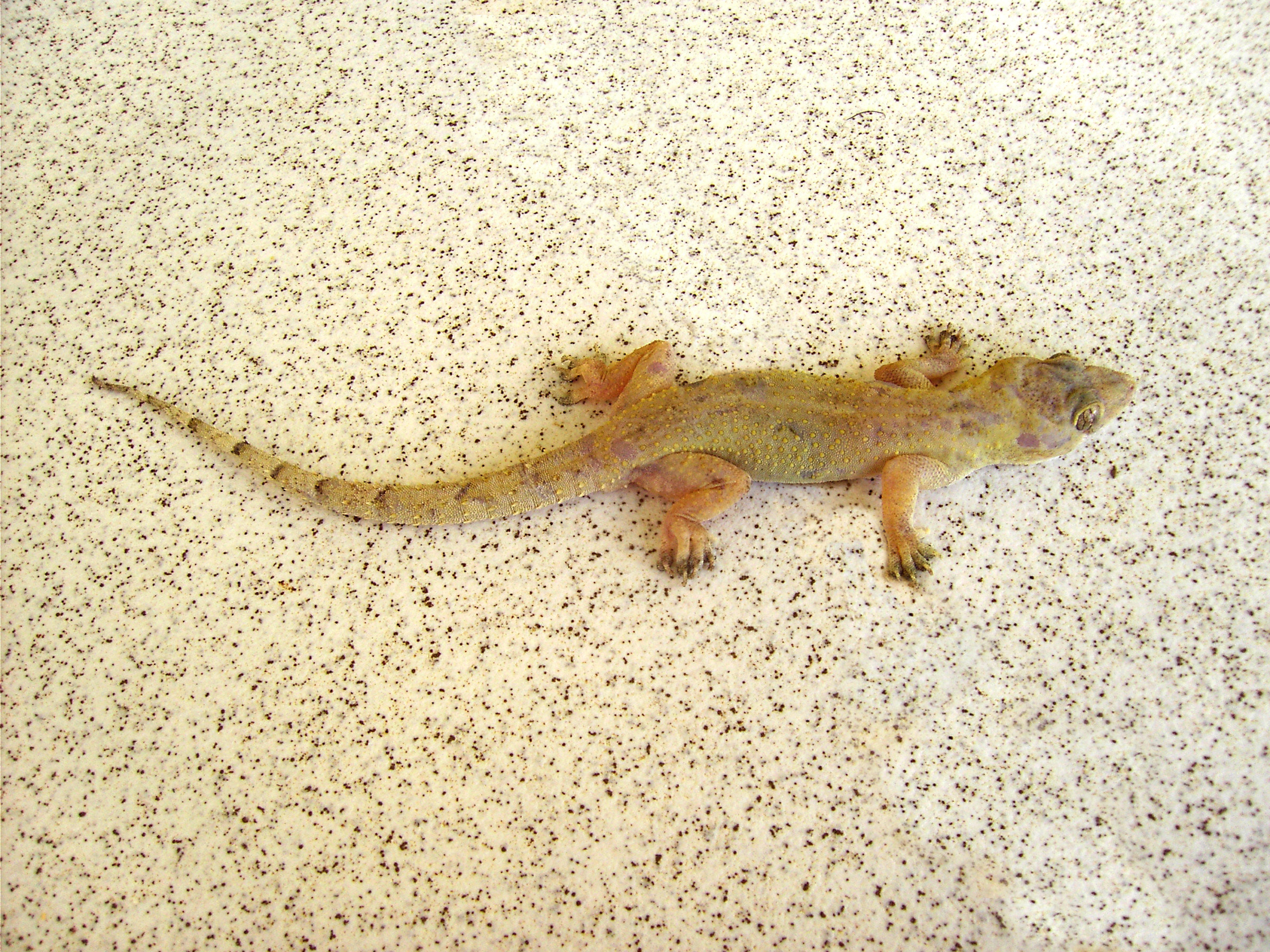
.jpg)
Abstract
A peer-reviewed comparison of the physiology of original versus regenerated tails in the tropical house gecko (Hemidactylus mabouia), examining how autotomy and regrowth affect the tail's structure and function. Work carried out at the University of Miami.
This paper anchors the herpetology side of the faunalore project: reptiles studied as biological subjects. Tail autotomy — the ability to shed and regrow a tail — is one of the most striking adaptations in lizards, and this study compares how the original and the regenerated organ perform.
Citation
Meyer, V., M. R. Preest, and Stephen M. Lochetto. 2002. “Physiology of Original and Regenerated Lizard Tails.” Herpetologica 58 (1): 75–86. https://doi.org/10.1655/0018-0831(2002)058[0075:POOARL]2.0.CO;2.